in asia-pacific hubs such as singapore and hong kong, system deployment in the cn2 network environment not only involves performance optimization, but also needs to meet strict compliance and data sovereignty requirements. this article focuses on regulatory key points, technical measures, and operation and maintenance practices to provide executable deployment considerations to help enterprises comply with local regulatory requirements while ensuring low-latency connections, reduce compliance risks, and improve business continuity.
the core of compliance and data sovereignty is to clarify data ownership, processing boundaries and regulatory responsibilities. both singapore and hong kong have specific rules for personal data protection and cross-border transmission. enterprises must consider geographical restrictions, encryption, minimized collection and auditability when designing network and storage architectures to ensure compliant and controllable cross-border flows on high-speed links such as cn2.
singapore’s personal data protection act (pdpa) emphasizes the reasonable protection and use limitation of personal data. when deploying, attention should be paid to cross-border transmission assessment, contract guarantee clauses and technical measures, such as transmission encryption, access control and data minimization, to ensure a balance between the performance needs of the cn2 link and the pdpa requirements.
hong kong adopts local legislation and regulatory guidelines for personal data protection, emphasizing transparency and purpose limitation. for cross-border data flows, enterprises should clarify the compliance status of the recipient and record the legal basis. the cn2 network brings the advantage of low latency, but it cannot replace a strict compliance assessment and continuous monitoring system.
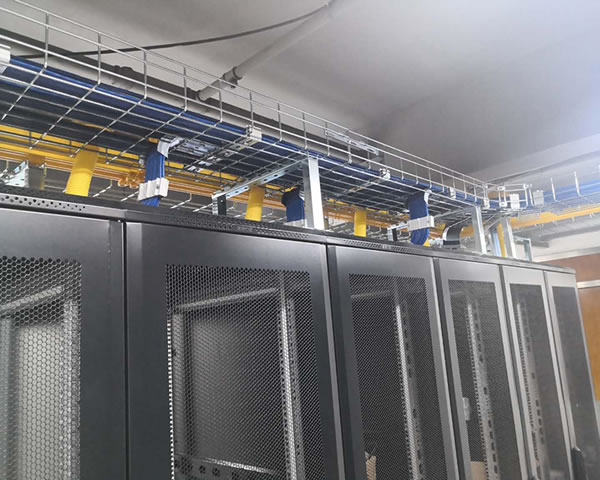
cn2 is known for its low latency and high-quality routing, making it suitable for latency-sensitive applications. note from a compliance perspective: high-speed links may increase cross-border data traffic and affect regional compliance boundaries. before deployment, cn2 routing paths, entry and exit nodes, and possible compliance obligations should be evaluated, and data classification and path control strategies should be formulated.
technically, routing visualization and segmentation management are required for cn2 links, and vpn or dedicated lines combined with encrypted channels are used to control transmission. the design should support on-demand bypass, local caching and edge processing to reduce the frequency of cross-border transmission of sensitive data while retaining complete traffic logs to meet audit requirements.
architecturally, it is recommended to adopt a hybrid model of "local processing + cross-border synchronization": sensitive data is processed and stored locally, and non-sensitive or aggregated data is synchronized overseas through controlled channels. utilizing multi-availability zone deployment, disaster recovery proximity, and edge computing not only meets the performance advantages of cn2 but also reduces the risk of data sovereignty conflicts.
implement data partitioning and hierarchical management to clarify which data needs to be kept locally and which can be transferred across borders. full encryption (transmission and rest) is a basic requirement, combined with key management, access minimization and regular key rotation to ensure that even if it is intercepted on the cn2 link, it is difficult to be exploited.
audit and traceability are at the core of compliance. deployment should ensure the integrity and retention period of access, change and transmission logs, and use immutable storage or a centralized audit platform to satisfy regulatory inspections. for cn2-related traffic, it is necessary to be able to distinguish the source of the link and support the issuance of compliance reports on demand.
when signing contracts with operators, cloud services and hosts, clarify data processing responsibilities, cross-border transfer terms and compliance safeguards. suppliers are required to provide compliance certificates, audit support and incident response mechanisms to ensure that data sovereignty and compliance obligations are bound in writing in the cn2 network and third-party service chains.
evaluate whether to adopt local deployment or host some services on a local third party based on business sensitivity. when choosing hosting, you need to examine the supplier's compliance qualifications, data center location, and backup strategy, and agree on data processing boundaries, access rights, and regulatory cooperation terms in the contract to reduce compliance blind spots.
after the initial compliance assessment, an ongoing monitoring and regular testing mechanism should be established, including penetration testing, compliance audits and compliance risk assessments. combined with the characteristics of the cn2 network, we regularly review routing, performance and data flow, and promptly adjust strategies to respond to regulatory changes and the evolution of the operating environment to ensure long-term sustainable compliance.
deployed under the cn2 compliance and data sovereignty requirements of singapore and hong kong, it should be based on data classification, combined with localized processing, encryption and auditable transmission paths, and coordinated with contractual constraints and continuous monitoring. prioritize the establishment of cross-departmental compliance processes and regularly review technical and legal risks to reduce compliance exposure while ensuring performance.
- Latest articles
- Migration Process And Data Integrity Verification Steps After Purchasing A Korean Site Cluster
- Hong Kong Native IP Speed Testing Tutorial: Authentic Bandwidth Verification Method From Ping To HTTP
- Localization Service Comparison: Which Japanese Cloud Server In Shuangyashan Is Better? Supports Chinese Language And Has Pricing Instructions
- Practical Checklist For Data Center Address And Bandwidth When Choosing Shaanxi Hong Kong Server Hosting
- Practical Recommendations For Bandwidth And Public IP Configuration When Choosing Alibaba Cloud Cambodia Servers
- For E-commerce And Gaming Applications, Choose Between Hong Kong Virtual Machines And US VPS, Which Is Faster And More Stable
- Risk Control Strategy Research: Methods To Prevent Blacklisting And Abnormal Behavior From Korean Dynamic Native IPs
- A Detailed Explanation Of The Price Range For Different Bandwidth And Configuration Costs For Hosting Servers In The US
- How To Assess The Long-term Service Stability Of Hong Kong Aide's Data Center
- How To Leverage Indian VPS And Thai VPS To Achieve Global User Distribution And Accelerate Deployment
- Popular tags
-

Methods And Techniques For Opening The Singapore Server In Dota2 Custom Games
learn the detailed methods and techniques on how to open the singapore server in dota2 to improve your gaming experience. -

Key Factors To Pay Attention To When Purchasing A Cn2 Server In Singapore
this article will introduce the key factors you need to pay attention to when purchasing a cn2 server in singapore to help you make a wise choice. -

Market Analysis And Trend Forecast Of Singapore Cn2 Hosting Computer Room
this article conducts an in-depth analysis of the market development status, technology trends and future prospects of singapore's cn2 hosting computer room to help readers understand the dynamics and opportunities in this field.